Hiring a Drain Service in Sumaré SP: What Experienced Users Check First
Before you call anyone, get three things ready: the exact address and access instructions, a short description of what is backing up and where, and a photo of the affected drain or cleanout. Experienced users know that desentupidora em Sumaré SP providers work faster when they can see the problem before the truck arrives. This guide is written from the perspective of someone who has already been through a few emergencies and learned what actually matters.
If you are a beginner, you probably search for a phone number and hope for the best. If you have dealt with a flooded kitchen or a backed-up sewer line before, you already know the real questions: Is the blockage in your private line or the public network? Does the company carry a mechanical snake or a high-pressure jetter? Will they give you a written diagnosis before starting? Those distinctions separate a quick fix from a repeat visit.
What Experienced Users Do Differently When Hiring a Drain Service
The first difference is preparation. Beginners often call in a panic and accept the first quote. Experienced users gather basic information first, because it changes the conversation from “can you come?” to “here is what I need and here is what I have already ruled out.” That shift saves time and often money.
Step 1: Identify the type of blockage before you dial
Not all backups are the same. A single slow sink is usually a local clog in the trap or branch line. A toilet that gurgles when you run the washing machine points to a shared vent or main line issue. Water rising in a floor drain during showers suggests the main sewer line is partially blocked. Write down which fixtures are affected and whether the problem is constant or intermittent.
This matters because a local clog and a main-line obstruction require different equipment. A hand snake may clear a bathroom sink, but a main line needs a rotating cable or hydrojetting. When you describe the symptoms accurately, the technician arrives with the right tool instead of making a second trip.
Step 2: Locate your cleanout and access points
Experienced homeowners know where the cleanout is. It is usually a capped pipe near the foundation or at the property line. If you can open it safely, you can confirm whether the blockage is upstream (inside the house) or downstream (toward the street). Do not force a stuck cap or open a cleanout if sewage is under pressure. Just note its location and tell the technician.
In apartments and condos, access may be through a common area or a technical shaft. Knowing this in advance prevents the crew from arriving and waiting while you track down the building manager. For commercial properties in Sumaré, note any grease trap or inspection box on site.
Step 3: Ask what equipment will be used and why
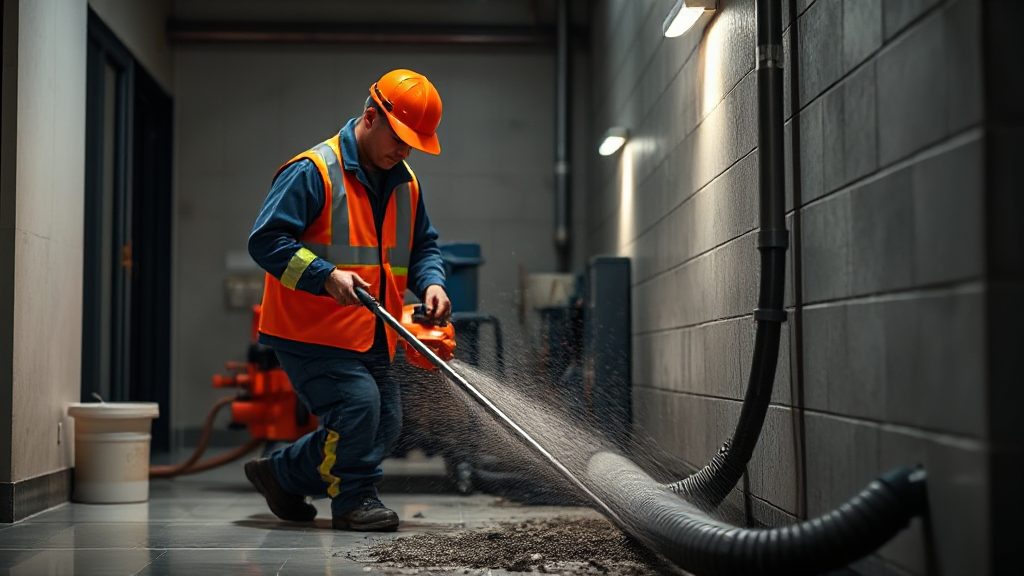
A professional desentupidora Sumaré should be able to explain the method before starting. Mechanical snakes are good for roots and solid obstructions. High-pressure hydrojetting is better for grease, scale, and sediment because it scours the pipe walls. Vacuum trucks are used when the line contains standing water and debris that must be removed first.
Ask whether they will camera-inspect the line after clearing it. A camera check confirms the pipe is actually open and reveals cracks, root intrusion, or collapsed sections that will cause another backup. Skipping this step is the most common reason a clog returns within weeks.
Step 4: Confirm licensing, insurance, and written pricing
Beginners rarely ask for proof of insurance. Experienced users do, especially for work that involves opening a sewer line or entering a crawl space. A legitimate company should confirm it carries liability coverage and that its technicians are trained for the equipment they operate. Ask for a written estimate that separates labor, equipment, and any additional services like hydrojetting or camera inspection.
Be wary of a quote that is dramatically lower than others without a clear explanation. Emergency drain work has real costs: fuel, equipment wear, and after-hours labor. A suspiciously cheap price often means the technician will find “something else” once the work begins.
Step 5: Decide between emergency call-out and scheduled service
An active overflow is an emergency. Sewage backing into a shower or rising in a floor drain needs immediate attention because of health risk and property damage. A slow drain that has not overflowed can usually wait for a scheduled visit, which is often cheaper and lets the company bring the right equipment.
Experienced users keep a trusted contact saved before they need it. That way, when a backup happens at night or on a weekend, they are not comparing unfamiliar companies under pressure. The desentupidora Sumaré SP team, for example, handles emergency calls, but having the number ready is what makes the difference.
Step 6: Protect your home before the crew arrives
Move boxes, rugs, and anything stored near the affected drain. Clear a path to the cleanout and the bathroom or kitchen access point. If water is rising, stop using all fixtures that drain to that line, including washing machines and dishwashers. This prevents additional wastewater from entering the system while you wait.
If sewage has already spilled, wear gloves and avoid direct contact. Ventilate the area and keep children and pets away. Do not attempt to clean up with a household mop that you plan to reuse; contaminated water requires proper disinfection.
Step 7: Review the diagnosis and the follow-up plan
After the blockage is cleared, ask what caused it. Grease buildup, tree roots, flushed wipes, and collapsed pipe sections each require a different prevention strategy. If the technician recommends a camera inspection or a follow-up hydrojetting, ask for the reason in plain language. A good provider will explain what they saw and what it means for your plumbing.
Get a simple service record: date, method used, and any observations. If the same drain backs up again, that record helps the next technician avoid repeating the same steps. It also supports any warranty claim if the company offers one.
Quick comparison: beginner vs. experienced approach
| Action | Beginner | Experienced user |
|---|---|---|
| First call | Asks for any available company | Calls a saved contact with symptoms ready |
| Equipment question | Does not ask | Confirms snake vs. hydrojetting vs. vacuum |
| Pricing | Accepts verbal quote | Requests written estimate with scope |
| After-service | Pays and moves on | Asks for cause and prevention advice |
Closing checklist before you book
- Address and access instructions confirmed
- List of affected fixtures and symptoms written down
- Cleanout location identified, if safe to do so
- Company confirmed to carry insurance and trained staff
- Written estimate requested before work begins
- Plan for camera inspection or follow-up discussed
Frequently Asked Questions About Drain Services in Sumaré
How do I know if the blockage is my responsibility or the city’s?
In most cases, the property owner is responsible for the private line up to the connection point with the public sewer. If the backup affects only your property and the cleanout is on your side, it is usually your responsibility. If neighbors are also affected or the street drain is overflowing, the municipal utility may need to intervene. A technician can confirm the location during the visit.
Can I use chemical drain cleaners before calling a professional?
Experienced users avoid chemical cleaners for main-line clogs. They can damage older pipes, create dangerous fumes, and leave a caustic residue that technicians must handle. For a slow sink, a plunger or hand snake is safer. For recurring backups, call a professional rather than pouring chemicals repeatedly.
How long does a typical emergency drain service take?
Most simple blockages are cleared within one to two hours after arrival, depending on access and the equipment needed. Hydrojetting or camera inspection can add time. The company should give you an estimate when you call, based on your description of the problem.
What should I do if the same drain backs up again after service?
Call the same company and reference your service record. A repeat backup often means the original cause was not fully addressed, such as roots that were cut but not removed or a pipe defect that was missed. Ask for a camera inspection to identify the underlying issue before paying for another clearing.